To buy or sell an NFT safely, follow this order: open the real marketplace, verify the collection, check the price, read the wallet request, and confirm the transaction afterward. If any step does not match the page you intended to use, stop and do not sign.
When selling, the NFT selling guide explains the listing and payout steps that this checklist protects. When the risk involves the file or wallet, the NFT marketplace infrastructure guide explains how storage and ownership affect a buyer. For game assets, the comparison of in-game and standalone NFT markets shows where marketplace ownership and game access can diverge.

NFT marketplace safety checklist: the basic routine
| Step | What to do | Stop if |
|---|---|---|
| Open the real site | Use a saved bookmark or the link from the project’s verified website | The address has a strange spelling, extra words, or a different domain |
| Check the NFT | Match the collection, creator, blockchain, and contract with an official source | The image is familiar but the contract is different |
| Review the price | Check the currency, gas, marketplace fee, royalty, and total amount | The final amount is different from the item page |
| Read the wallet request | Confirm the action, account, network, recipient, and approval | The wallet asks for an unrelated signature or unlimited access |
| Confirm the result | Check the transaction and NFT ownership after signing | The page says success but the transfer or payment is missing |
Check these details before connecting your wallet
 decoding="async" referrerpolicy="no-referrer" decoding="async" src="/wp-content/uploads/2026/08/image-2-1024x490.jpg" alt="" class="wp-image-10336" title="">
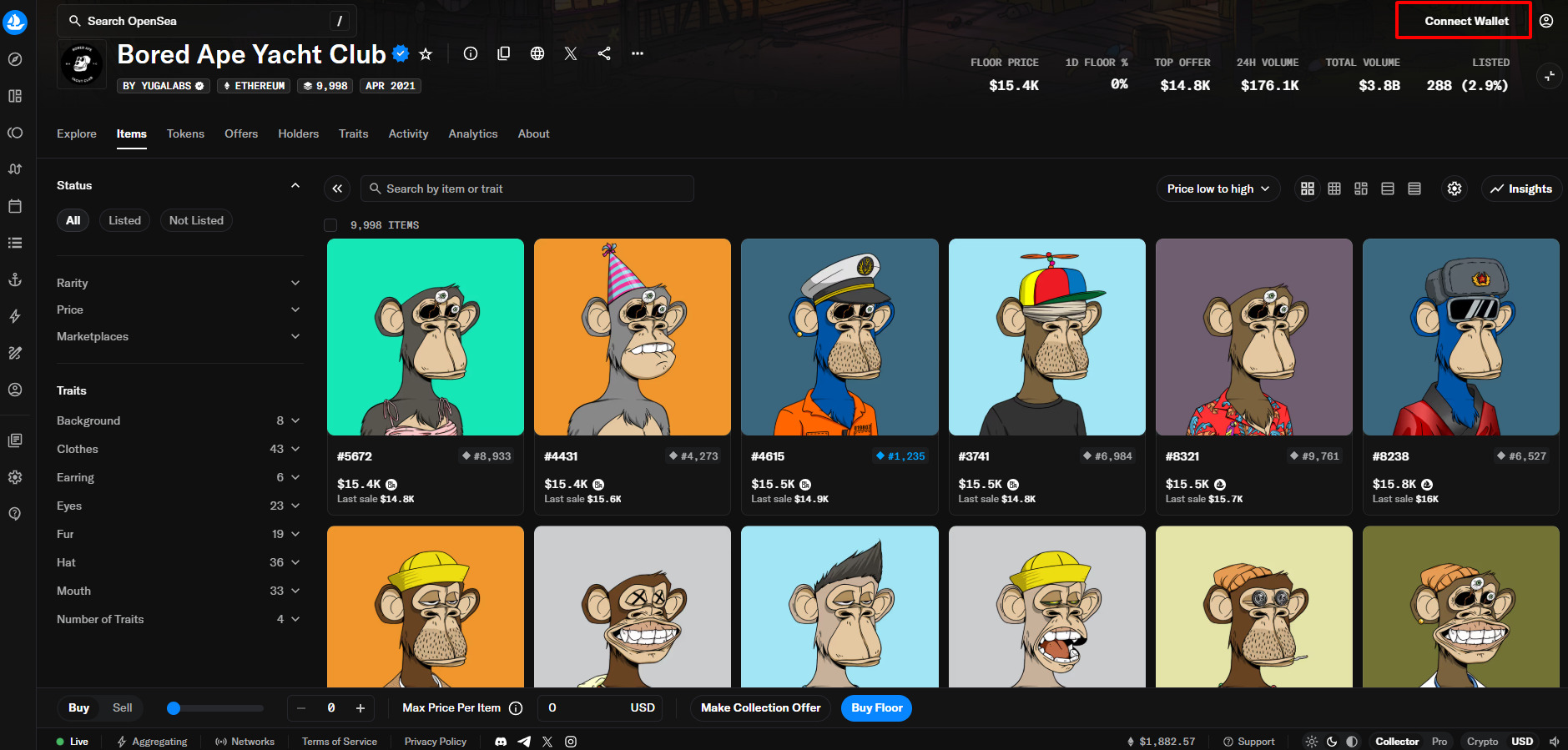
Before connecting your wallet, check the website address, collection name, blockchain, NFT page, seller, and price. After the wallet opens, check the action, recipient, network, NFT, and amount. A familiar marketplace logo does not make an unexpected wallet request safe.
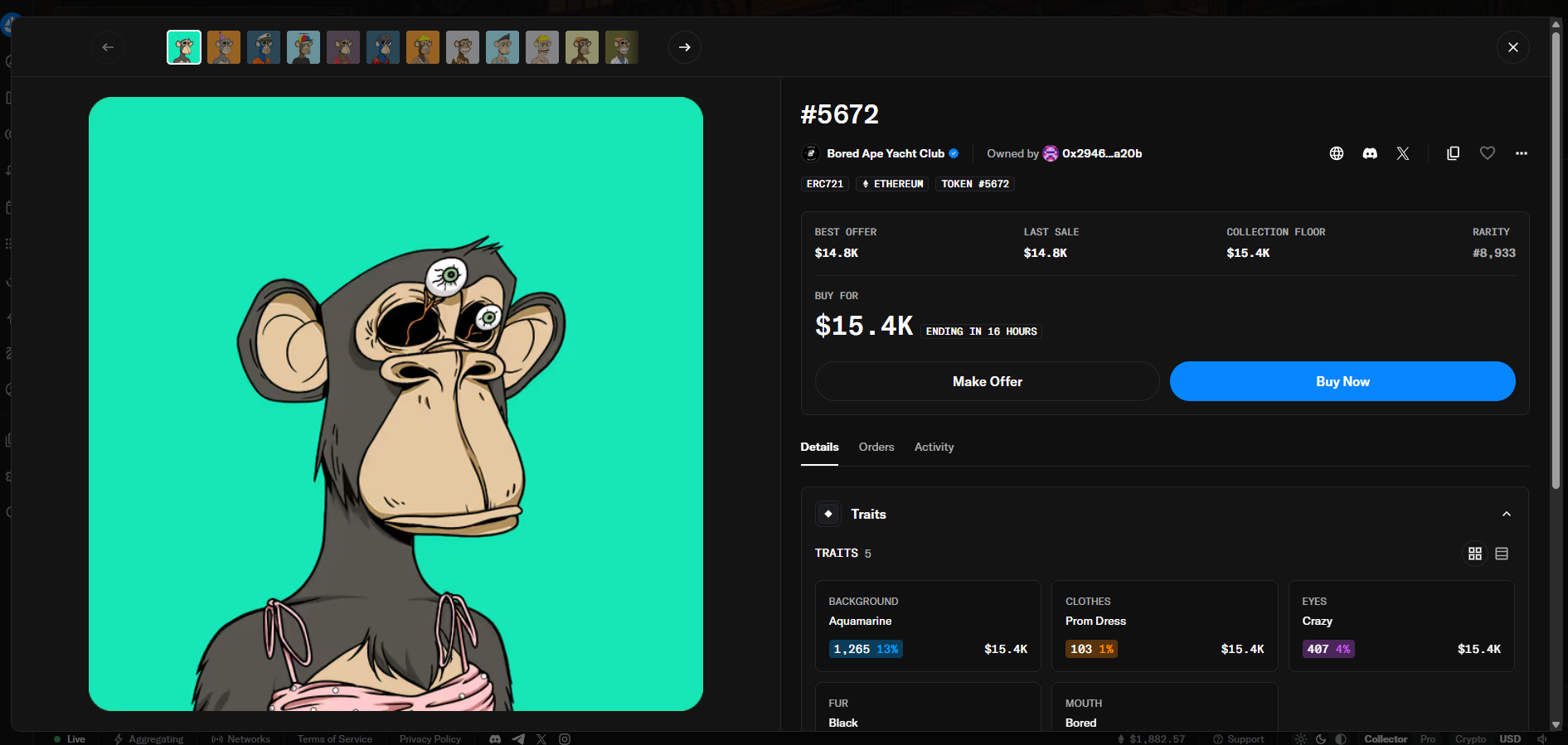
Use this routine every time you buy or sell. A verified badge, familiar logo, or low price is not enough. Check the collection address, wallet request, final amount, and completed transaction.
Checks for buyers and sellers
Buyers and sellers face different risks. Buyers must receive the correct NFT for the correct total price. Sellers must approve only the intended listing, set the right terms, and keep a way to cancel the order. Use the row that matches your action.
| Action | Verify before signing | Stop when | Keep as evidence |
|---|---|---|---|
| Buy an NFT | Collection contract, token ID, seller, currency, total cost, and recipient | The contract or recipient differs from the marketplace page | Item URL, contract address, token ID, transaction preview |
| Accept an offer | Offer currency, amount, expiry, buyer address, royalty and fee deductions | The offer uses an unexpected token or has no clear expiry | Offer ID, accepted price, fee breakdown, settlement receipt |
| List an NFT | Approval target, price, expiry, chain, and cancellation method | The approval grants broader access than the intended marketplace | Listing ID, signed payload, approval transaction, expiry |
| Cancel a listing | Active order, exact network, cancellation transaction, and final status | The interface shows cancelled but the order remains executable | Cancellation hash, block confirmation, refreshed order state |
The lowest price is not automatically the best deal. Compare the official collection, contract address, seller, final checkout amount, and recent sales. An unusually cheap listing may be counterfeit, expired, or connected to a different contract.
Buyer and seller quick checks
Before buying, the buyer should confirm the official collection, correct item, full amount after gas and marketplace charges, and exact wallet action. If any detail is unclear, leave the listing open but do not connect the wallet. A few minutes spent checking the collection is cheaper than trying to recover an asset bought from a counterfeit contract.
Before selling, the seller should confirm ownership or permission to sell, the listing currency, the cancellation method, and the expected payout after fees. Sellers should also remove old listings when moving an NFT or changing the sale terms, because an abandoned order may remain active until it is cancelled or expires.
| User | Check before signing | Check after the transaction |
|---|---|---|
| Buyer | Collection, item, total cost, wallet action, and recipient | NFT owner, item details, transaction status, and game entitlement if relevant |
| Seller | Ownership, price, expiry, approval, fees, and cancellation method | Listing status, sale amount, buyer transfer, and payout wallet |
Check the official collection
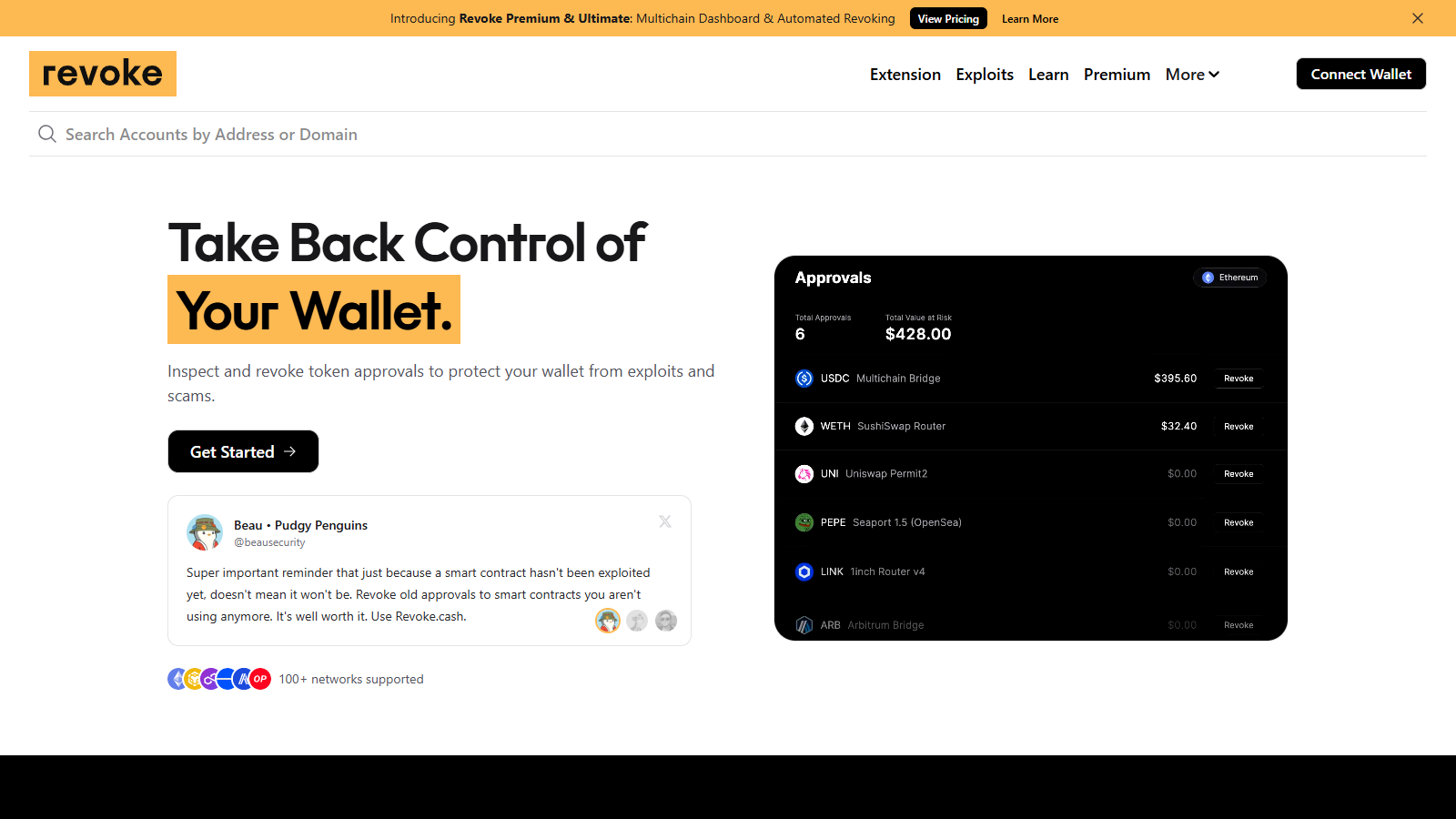
Find the marketplace link on the project’s official website. Compare the collection address, blockchain, creator account, and item number with the marketplace page. Revoke.cash approval guidance can help after a risky approval, but the safest approval is the one you understand before signing.
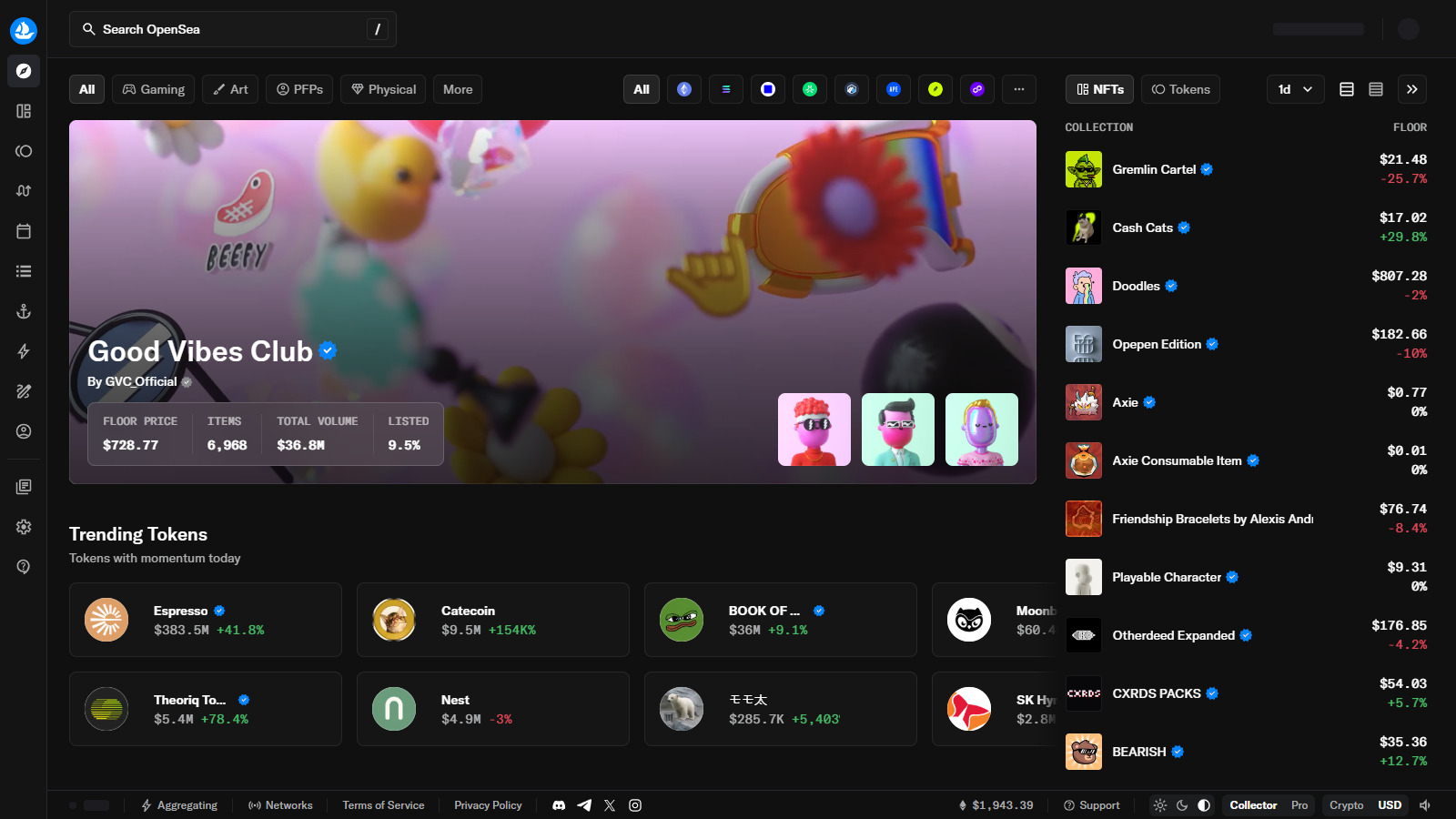
Images and names are easy to copy. Open the project’s official website, find the marketplace link, and compare the collection address shown there with the address on the NFT page. Also check the blockchain, creator account, supply, recent sales, and whether the item has the utility promised by the project.
For a gaming NFT, ownership may not be enough to use the item. Check whether it works with the correct game account, server, mode, or chain. A marketplace can transfer a token successfully while the game still rejects it because the item is locked, unsupported, or linked to another account.
Protect your wallet and account
Review active wallet approvals regularly and revoke permissions you no longer need. If you are a seller, cancel expired or abandoned listings when the marketplace requires it. Moving an NFT to another wallet does not always cancel an old approval or order.
Protect the account layer separately from the wallet layer. Use a unique password and app-based multi-factor authentication where available, review active sessions, and use only support links reached from the marketplace’s verified website. No legitimate support workflow needs a seed phrase or private key.
Keep the wallet that holds valuable NFTs separate from the wallet used for testing unfamiliar mints, giveaways, or new marketplaces. A small test wallet limits the damage if a website requests a dangerous approval. It does not make a scam safe, but it prevents one mistake from exposing every asset you own.
Treat urgent messages as a warning sign. Scammers often claim that a sale failed, an NFT needs verification, or an account will be suspended unless the user signs immediately. Close the message, open the marketplace through a saved address, and check the account there. Never connect a wallet because someone promises a refund, whitelist, reward, or support ticket.
Check the image and NFT details
A fake collection can copy images while using a different contract. A collection can also show an image today and change it later if the creator can change the image link. Buyers should check the collection address, item number, image, attributes, and project terms before paying extra for rarity or utility.
For sellers, review the preview before publishing. Confirm that the image loads, the title is correct, the collection is correct, and the description does not promise benefits the project cannot deliver. Save the listing link and transaction record. For buyers, open the item again after purchase and check that the owner, item number, and collection match the listing.
Red flags that should end the transaction
- The link arrived through an unsolicited direct message or a copied social post.
- The website asks for a seed phrase, private key, or remote-control session.
- The collection name and image look correct, but the contract address is different.
- The wallet asks for an approval or signature that does not match buying, selling, or cancelling.
- The price is unusually low and the seller pressures you to act immediately.
- The marketplace shows one amount, but the wallet shows a different recipient, token, network, or total.
- A support account asks you to pay a recovery fee before it will investigate a transaction.
One red flag may be enough to pause. Do not try to solve an unclear transaction by signing more transactions. Close the page, verify the official website independently, and ask the project or marketplace through a contact method listed on that site.
What to do after a bad signature
Move valuable assets, revoke approvals, document transaction hashes, and isolate the wallet. The response should be calm and mechanical; the worst next step is signing another unfamiliar transaction under pressure.
If a transaction is still pending, check it on the relevant blockchain explorer and identify whether it is pending, failed, or confirmed. If an approval was granted, revoke it from a trusted approval-management service. If the seed phrase or private key was exposed, treat the wallet as permanently compromised and move assets to a new wallet created on a clean device.
Record the website URL, collection address, wallet address, transaction hash, screenshots, and time of the incident. Contact the marketplace only through its official site. A report cannot guarantee recovery, but complete evidence helps identify the account, order, or collection involved and prevents the victim from losing more funds while looking for help.
A Magic Eden reviewer described support as giving a “fast response” in a 2025 wallet and support review, collected on August 11, 2026. That does not prove every incident will resolve quickly. Another reviewer described a Lucky Buy result that displayed a win but did not deliver the NFT in this missing-delivery report. The report concerns that feature rather than all Magic Eden activity, but it reinforces the checklist: retain the transaction and wallet evidence, and do not treat a success screen as proof of delivery.
Conclusion
Marketplace safety works best when it becomes a repeatable habit. The reader should leave with a pre-click routine, a recovery path after bad approvals, and a sharper sense of why collection images are not proof of contract identity. The next safe habit is to inspect the wallet request before trusting the marketplace screen. Contract identity, spender, method, chain, and metadata source matter more than a familiar collection image.
Frequently asked questions
Who should read NFT Marketplace Safety Checklist for Buyers and Sellers?
This article is for builders, creators, marketplace operators, and technically curious collectors who need to make a decision around NFT marketplace safety checklist rather than read a surface-level definition.
What is the first thing to verify for NFT marketplace safety checklist?
First verify the website and collection. Then check the price, wallet request, recipient, network, and completed transaction. Never sign an unclear request.
Does this replace vendor documentation?
No. This guide translates vendor and protocol documentation into a decision path. Fast-changing limits, fees, and chain support still need a dated check against official sources.
Disclaimer: This article is for research and editorial comparison purposes only. It does not constitute financial, investment, legal, or tax advice. NFT tools, marketplaces, fees, chain support, and live availability can change quickly, so verify current conditions on the official platform before making any decision involving funds, assets, or private keys.