GSR launched its first digital asset ETF on April 22, 2026, combining Bitcoin, Ether, and Solana exposure with staking rewards in a single Nasdaq-listed fund called the GSR Crypto Core3 ETF, trading under the ticker BESO.
What the GSR Crypto Core3 ETF Offers
GSR, a crypto-native trading firm, structured Core3 as an actively managed ETF that invests at least 80% of its net assets in Bitcoin, Ethereum, and Solana. The fund allocates approximately one-third of its net assets to each of the three assets and rebalances weekly based on research-driven signals rather than following a fixed index.
The staking component is what separates BESO from a standard multi-asset crypto fund. The ETF stakes its ETH and SOL holdings, subject to liquidity requirements, and passes accumulated staking rewards into the fund’s net asset value. Investors get both capital appreciation potential and a yield component without needing to manage staking infrastructure themselves.
Framework Digital Advisors serves as the fund’s investment adviser, and the ETF carries a 1.00% management fee. Creation units are sized at 10,000 shares.
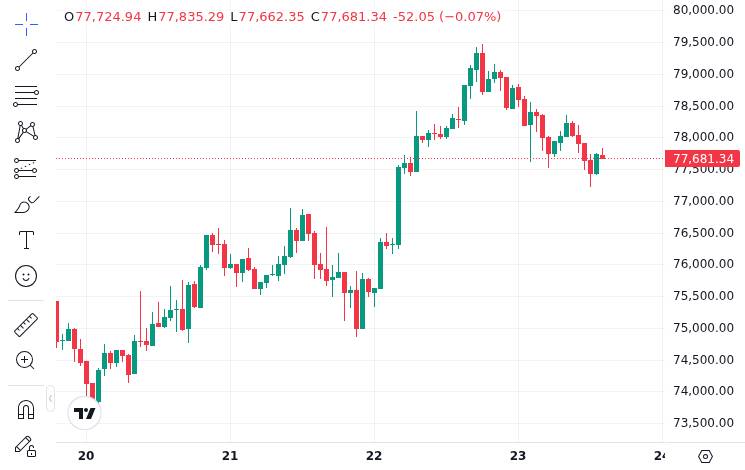
Bitcoin traded near $77,695 at the time of the launch, with a market cap above $1.55 trillion and 24-hour trading volume of roughly $45.9 billion. The broader market sentiment leaned cautious, with the Fear and Greed Index sitting at 46 in “Fear” territory.
Why Staking Changes the ETF Value Proposition
Staking is the process by which proof-of-stake networks like Ethereum and Solana validate transactions, rewarding participants with additional tokens. Embedding staking inside an ETF wrapper lets investors earn that yield passively, without running validator nodes or locking tokens in third-party protocols.
Before BESO, staking-enabled crypto exchange-traded products existed in the U.S. but only as single-asset vehicles. Invesco and Galaxy’s QSOL, for instance, stakes its SOL holdings but offers exposure to Solana alone.
Grayscale’s GDLC launched in September 2025 as the first multi-asset crypto ETP available in the U.S., providing diversified exposure with quarterly rebalancing but no staking pass-through. BESO’s combination of multi-asset diversification, weekly active rebalancing, and staking income fills a gap that neither competitor covers individually.
The tradeoff is complexity: staking yields vary by network conditions, and the fund must balance liquidity requirements against the lockup periods that staking sometimes demands. GSR describes the product as seeking capital appreciation and current income, according to its SEC prospectus.
What to Watch After BESO’s Debut
Early inflow data will be the first signal of whether BESO gains traction. New ETFs typically need sustained daily volume and net inflows in the first weeks to attract market maker support and tighter bid-ask spreads.
Competitive response is another factor. If BESO demonstrates that combining diversification with staking generates investor interest, other issuers may file similar multi-asset staking ETF structures. Recent large-scale institutional moves into digital assets, such as Bitmine’s 101,627 ETH purchase, suggest that appetite for structured crypto exposure continues to grow.
Regulatory clarity around staking inside U.S.-listed ETFs remains an evolving area. How regulators treat staking income inside fund wrappers, particularly around tax classification and custody standards, could shape whether this model scales. The launch arrives alongside broader institutional crypto infrastructure expansion, including efforts to pilot stablecoin products in new markets and expand USDC access across Asia.
Whether BESO’s blend of active management, multi-asset exposure, and staking yield resonates with advisers and allocators will become clearer as the fund’s first month of trading data accumulates.
Disclaimer: This article is for informational purposes only and does not constitute financial or investment advice. Cryptocurrency and digital asset markets carry significant risk. Always do your own research before making decisions.