Spot Bitcoin ETFs have snapped a prolonged outflow streak, pulling in hundreds of millions of dollars in fresh capital even as market volatility surged to multi-week highs. The rebound signals renewed institutional appetite for Bitcoin exposure, with ripple effects reaching into Ordinals, BRC-20 tokens, and the broader digital ownership economy.
Bitcoin ETF Inflows Stage a Comeback After Recent Outflow Streak
After days of consecutive net outflows that rattled investor confidence, U.S. spot Bitcoin ETFs reversed course in the second half of March 2026. BlackRock’s iShares Bitcoin Trust (IBIT) led the recovery, recording $767 million in weekly net inflows, the strongest single-fund weekly figure in recent months.
The broader ETF complex followed suit. Daily net inflows across all U.S. spot Bitcoin ETFs hit $202 million on March 18, with IBIT again topping the daily leaderboard. Fidelity’s Wise Origin Bitcoin Fund (FBTC) and other major issuers also posted positive flows during the same window.

The scale of the reversal matters. Weekly flows had turned negative earlier in March as macroeconomic uncertainty weighed on risk assets. The swing back to net positive territory suggests institutional allocators are treating the pullback as a buying opportunity rather than a signal to exit, a pattern consistent with how Morgan Stanley’s pending Bitcoin ETF launch on the NYSE has been framing institutional demand narratives.
Retail flow signals remain harder to isolate from the ETF data alone, but the concentration of inflows in IBIT, which skews toward institutional and advisory channels, points to large allocators driving the rebound rather than individual investors chasing momentum.
Volatility Spike Drives Both Fear and Opportunity Across Digital Assets
The inflow rebound did not happen in calm markets. Bitcoin’s price swung through a wide range during the volatility window, with realized volatility climbing sharply as liquidation volumes spiked on both the long and short sides. The moves coincided with broader macro uncertainty, including shifting expectations around Federal Reserve policy and geopolitical tensions that pushed traditional volatility gauges higher.
For ETF buyers, the volatility created a discount entry. Spot Bitcoin ETF shares briefly traded at a slight discount to net asset value during the sharpest intraday drawdowns, a dynamic that historically attracts arbitrage capital and longer-horizon institutional buyers looking to accumulate below fair value.
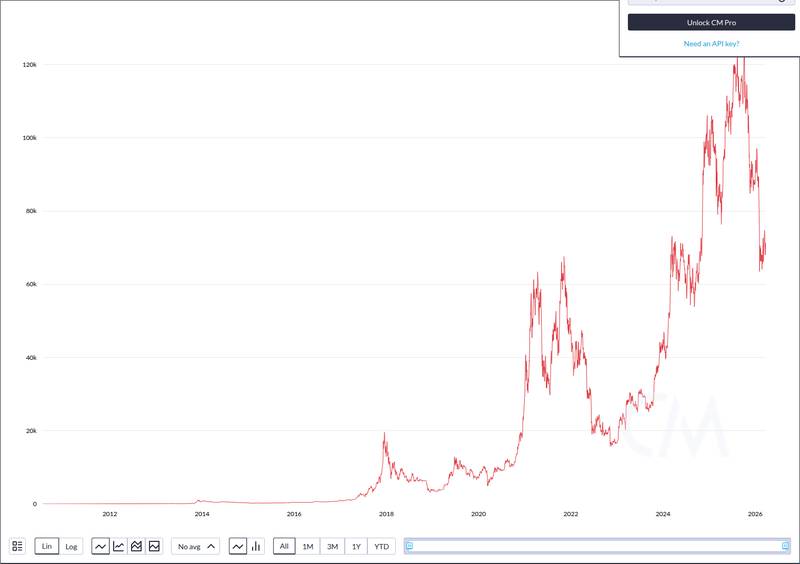
The volatility also rippled into Bitcoin-native digital asset layers. Ordinals inscription activity tends to track BTC price swings closely; when Bitcoin moves sharply, on-chain fee dynamics shift, and inscription costs fluctuate in tandem. BRC-20 token floor prices and trading volumes have historically shown sensitivity to these same volatility events, a pattern that corporate Bitcoin strategies like GameStop’s covered call approach are designed to capitalize on.
What Rising Bitcoin Capital Flows Mean for Ordinals and the Digital Ownership Economy
ETF-driven capital flows do not stay contained in traditional finance wrappers. When hundreds of millions of dollars flow into spot Bitcoin ETFs, they create direct buying pressure on BTC, which in turn affects the economics of everything built on the Bitcoin base layer, including Ordinals inscriptions and BRC-20 tokens.
During the most recent Q1 2026 ETF performance window, Ordinals inscription volume showed signs of renewed activity after a quieter start to the year. Higher Bitcoin prices make existing inscribed assets more valuable in dollar terms, while also raising the floor cost of new inscriptions, a supply constraint that benefits holders of early and rare collections.
BRC-20 token liquidity follows a similar logic. As Bitcoin price stability improves on the back of sustained ETF inflows, traders and creators gain more confidence to deploy capital into experimental Bitcoin-native token standards. The correlation is not one-to-one, but the directional relationship has held through multiple cycles: stronger BTC demand unlocks more digital ownership activity on-chain.
For the creator economy layer that NFTenex tracks closely, the ETF rebound carries a practical signal. When institutional money validates Bitcoin as a macro asset, it creates a more stable foundation for builders working on Ordinals collections, BRC-20 protocols, and rare sat marketplaces. Companies like Metaplanet, which recently addressed shareholders on Bitcoin’s future at a Japan forum, represent the kind of institutional bridge between traditional capital and Bitcoin-native innovation.
Several upcoming Ordinals drops and BRC-20 protocol upgrades are scheduled for late Q1 and early Q2 2026. If ETF inflows remain positive and volatility settles into a tighter range, the conditions favor increased inscription spending and secondary market activity, a dynamic that could define the next phase of Bitcoin’s digital ownership economy.
Disclaimer: This article is for informational purposes only and does not constitute financial or investment advice. Cryptocurrency and digital asset markets carry significant risk. Always do your own research before making decisions.