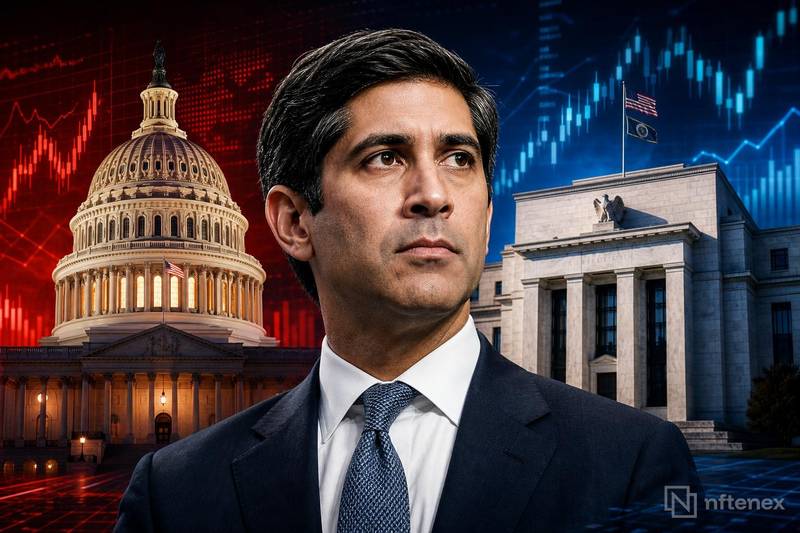
Senate Confirms Kevin Warsh as Fed Chair in 54-45 Vote
- Lyla Velez
- May 13, 2026
- Policy
- 0 Comments
The U.S. Senate confirmed Kevin Warsh as the next chair of the Federal Reserve in a 54-45 vote, completing a leadership transition at the nation’s central bank that could reshape monetary policy direction for years to come.
The confirmation vote, recorded on the Senate’s official roll call tally, fell largely along party lines. Warsh, a former Fed governor who served from 2006 to 2011, was nominated by President Trump earlier this year.
The White House announcement of the nomination highlighted broad support from economic and financial leaders. Warsh replaces Jerome Powell, whose tenure was marked by aggressive rate hikes to combat inflation followed by a cautious easing cycle.
Why the Fed Chair Appointment Carries Outsized Weight
The Federal Reserve chair sets the tone for interest rate decisions, balance sheet policy, and regulatory guidance across the U.S. financial system. Senate confirmation elevates the appointment beyond a routine executive action, requiring public scrutiny and a recorded vote.
The chair also serves as the primary public communicator for the Federal Open Market Committee, meaning markets parse every statement for signals on future rate moves. A new chair often brings shifts in emphasis, if not outright policy pivots, during the early months of their term.
For context, leadership changes at major financial regulators have historically prompted reassessments across asset classes. The UK Treasury recently acknowledged that digital assets could transform financial markets, underscoring how policy leadership shapes the trajectory of emerging asset classes globally.
What Crypto and Risk-Asset Traders Are Watching
Fed leadership transitions are closely monitored by crypto market participants because monetary policy directly influences liquidity conditions and risk appetite. Lower interest rates tend to push capital toward higher-risk assets, including Bitcoin and digital tokens, while tighter policy pulls it back.
Warsh’s prior public statements have leaned toward a rules-based monetary policy framework, which could introduce more predictability into rate decisions. For traders navigating evolving regulatory environments for crypto assets worldwide, a more transparent Fed could reduce one layer of macro uncertainty.
The confirmation also arrives as digital asset markets continue to mature institutionally. Firms like Ledger have weighed public market listings amid shifting conditions, decisions that hinge partly on broader macro stability influenced by Fed policy.
With Warsh now confirmed, market participants will be watching his first FOMC meeting and any early signals on rate trajectory, balance sheet management, and the Fed’s posture toward financial innovation.
Disclaimer: This article is for informational purposes only and does not constitute financial or investment advice. Cryptocurrency and digital asset markets carry significant risk. Always do your own research before making decisions.