
Bitwise: Institutions Are Now Embedded in Crypto, Anticipation Phase Is Over
- Stacey George
- March 28, 2026
- Investment
- 0 Comments
Bitwise, one of the largest crypto-native asset managers, has declared what it calls the end of the “anticipation phase” for institutional crypto involvement. The firm’s message is direct: institutions are no longer circling digital assets from a distance, they are embedded in the market.
Bitwise’s ‘They’re Here’ Declaration and What It Actually Means
TLDR KEY POINTS
- Bitwise says the institutional anticipation phase for crypto has ended.
- Institutions are now actively embedded in crypto markets, not just watching from the sidelines.
- This marks a structural shift in who holds and shapes the digital asset landscape.
The declaration, shared via Bitcoin.com’s Telegram channel, frames the current moment as a turning point. For years, the crypto industry’s relationship with institutional finance was defined by a single refrain: “institutions are coming.” Bitwise is now arguing that phrase has expired.
Bitwise manages billions in crypto assets and has direct visibility into how institutional capital flows into digital markets. In late 2025, Bitwise projected that Bitcoin would break its traditional four-year cycle in 2026, a forecast rooted in the structural changes institutional participation brings.
The “anticipation phase” Bitwise references spans the period when institutional players were securing custody solutions, waiting for ETF approvals, and monitoring regulatory developments before committing capital. That phase, according to the firm, is now over.
How Institutions Are Now Embedded: ETFs, Allocations, and Infrastructure
Spot ETFs as the Institutional On-Ramp
The most visible evidence of institutional embedding is the spot Bitcoin ETF market. Since the approval of spot Bitcoin ETFs in the United States in January 2024, these products have become the primary vehicle for institutional crypto exposure.
Analysts have projected that Bitcoin ETFs could surpass $180 billion in assets under management in 2026. That figure reflects a market where institutions are not experimenting with small allocations but committing at scale.
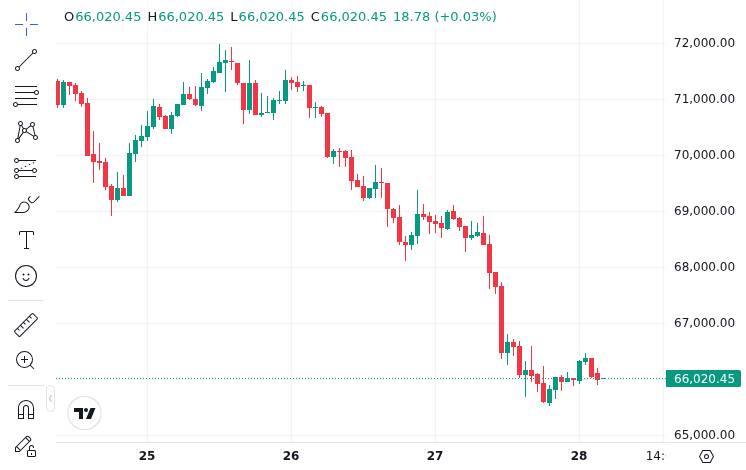
ETFs removed the friction that kept traditional allocators on the sidelines: custody risk, regulatory ambiguity, and operational complexity. With those barriers gone, pension funds, endowments, and registered investment advisors gained a familiar wrapper for crypto exposure.
Beyond ETFs: Treasury Allocations and Direct Exposure
The shift extends past exchange-traded products. Public companies have added Bitcoin to corporate balance sheets, and prime brokerage services from traditional financial institutions now serve institutional crypto clients directly. This is what Bitwise means by “embedding,” not just buying an asset but building operational infrastructure around it.
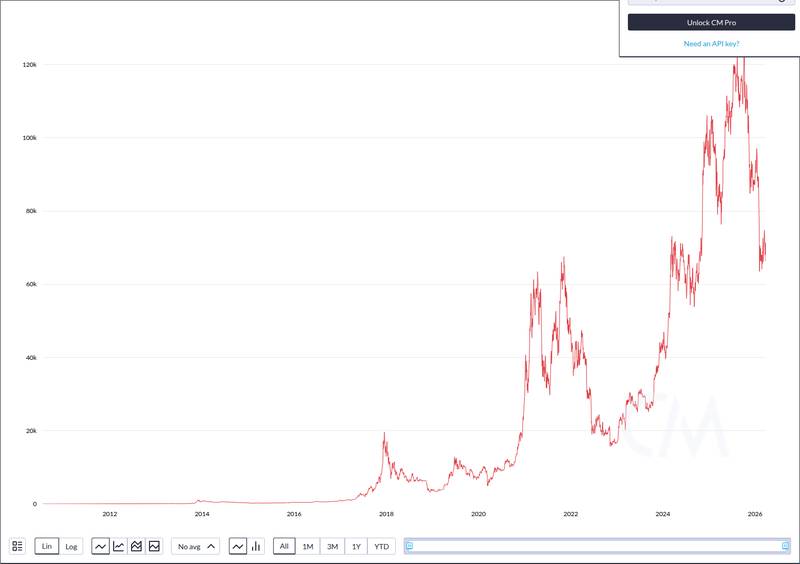
The distinction matters. An allocation is a position that can be sold. Embedding means crypto is woven into portfolio infrastructure, compliance workflows, and client offerings. That stickiness, visible in on-chain network activity patterns, changes the market’s structural foundation.
What Institutional Embedding Means for Crypto’s Next Chapter
Implications for NFTs and Digital Assets Beyond Bitcoin
Bitwise’s thesis centers on Bitcoin, but the implications ripple outward. When institutional capital validates the broader crypto asset class, it raises the credibility floor for all digital assets, including NFTs and tokenized collectibles.
Institutional legitimacy does not arrive selectively. The infrastructure institutions build, from custody to compliance to market-making, serves the entire digital asset ecosystem. As the altcoin market has faced capitalization pressure, the question for NFT-focused investors is whether institutional embedding in crypto’s top layer eventually filters down.
The connection is not automatic. Institutions entering Bitcoin through regulated ETFs does not mean immediate capital flows into NFT markets. But the regulatory and infrastructure groundwork, the custody rails and compliance frameworks, now exists for institutions to access a wider range of digital assets when they choose to. The rapid pace of technology capability shifts across sectors suggests that institutional tooling for digital assets will continue expanding.
Risks Worth Watching
Institutional embedding brings stability but also introduces traditional finance behavioral patterns. Quarterly portfolio rebalancing, coordinated risk-off exits during macro stress events, and increased correlation with equity markets are all consequences of deeper institutional participation.
For retail investors and smaller market participants, the indicators to watch include ETF flow data, corporate treasury disclosures, and whether institutional players maintain positions through drawdowns. As regulated derivatives and margin trading platforms continue to expand, institutional tools for managing crypto exposure will only deepen.
Bitwise’s declaration is not a price prediction. It is a structural observation: the participants who were expected to reshape crypto markets have arrived and built permanent positions. What comes next depends on whether that embedding holds through the market’s next stress test.
Disclaimer: This article is for informational purposes only and does not constitute financial or investment advice. Cryptocurrency and digital asset markets carry significant risk. Always do your own research before making decisions.