Anthropic’s Claude Mythos Leaked: A Capability Step Change?
- Lyla Velez
- March 28, 2026
- News
- 0 Comments
Anthropic’s next-generation AI model, internally called “Claude Mythos,” was exposed after a content management system misconfiguration left nearly 3,000 unpublished company assets in a publicly accessible data cache. Anthropic confirmed the model is real, calling it “a step change and the most capable we’ve built to date.” For NFT creators and digital art platforms already relying on Claude-class models as creative co-pilots, the implications of a fourth-tier AI model are significant.
What the Claude Mythos Leak Revealed
Security researchers Roy Paz of LayerX Security and Alexandre Pauwels of the University of Cambridge discovered the exposed data cache containing draft blog posts and internal assets. Fortune informed Anthropic about the leak on Thursday, March 26, 2026, after which the company removed public access.
The leaked draft blog posts described Claude Mythos, internally codenamed “Capybara,” as “by far the most powerful AI model we’ve ever developed.” It represents a new fourth model tier above the existing Claude Opus line, with reported “dramatically higher scores on tests of software coding, academic reasoning, and cybersecurity.”
Anthropic’s existing model lineup, from the lightweight Haiku to the flagship Opus 4.6, already powers a range of generative art pipelines and NFT metadata tools. In AI model releases, “step change” language has historically signaled not incremental improvement but a generational leap, the kind of jump that unlocked entirely new use cases when GPT-4 and Claude 3 Opus first arrived.
The company described Mythos as “currently far ahead of any other AI model in cyber capabilities” and warned it poses unprecedented cybersecurity risks, potentially enabling large-scale cyberattacks that “far outpace the efforts of defenders.”
Claude Mythos is currently in early access testing only, limited to a small group of customers evaluating cybersecurity applications. Anthropic noted the model is “very expensive to serve,” and no general release date has been disclosed.
Peter Wildeford, an AI policy researcher, summarized the scope of the leak and Anthropic’s confirmation on X:
CLAUDE MYTHOS 👀
A CMS misconfiguration at Anthropic just leaked draft blog posts about "Claude Mythos". Anthropic confirmed it's real, calling it "the most capable we've built to date."
Mythos is a new, fourth tier, larger and more expensive than Opus. The draft claims… https://t.co/GhFC1Tlb7l
— Peter Wildeford🇺🇸🚀 (@peterwildeford) March 27, 2026
Source: @peterwildeford on X
According to unconfirmed reports from the leaked draft materials, Claude Mythos’s rollout strategy prioritizes “cyber defenders” first, giving security teams time to harden their systems before the model becomes more broadly available.
Why a Fourth-Tier AI Model Matters for NFT and Digital Art Creation
Claude-class models are already embedded in the creative stack that NFT artists and generative art platforms depend on. From metadata scripting and generative prompt engineering to collection storytelling and smart contract documentation, frontier language models handle tasks that once required specialized developers.
Each prior capability jump triggered new waves of AI-assisted NFT project launches. When Claude 3 Opus arrived, creators gained stronger reasoning for complex trait generation and rarity systems. A model tier above Opus, with reportedly stronger coding and reasoning benchmarks, would expand what solo creators can build without a technical team.
The cybersecurity dimension cuts both ways for digital ownership infrastructure. A model that excels at finding software vulnerabilities could strengthen smart contract auditing tools, a persistent weak point in NFT platform security. But Anthropic’s own internal warning that the model’s cyber capabilities could “far outpace the efforts of defenders” raises questions about whether the same power could be turned against the on-chain infrastructure that NFT marketplaces like OpenSea and Blur rely on.
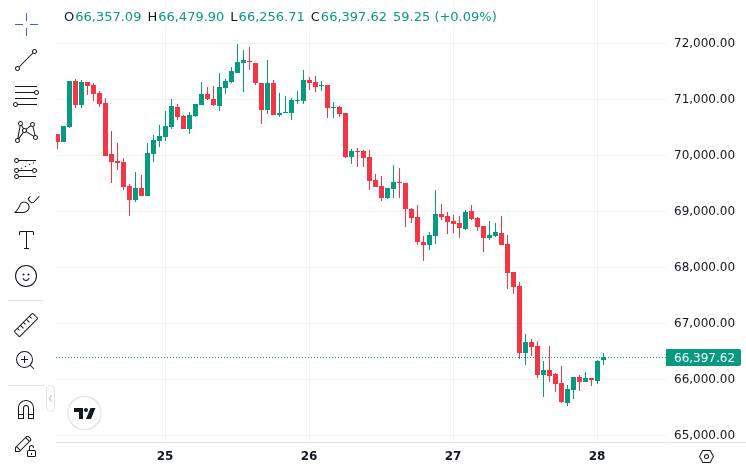
The broader altcoin market downturn adds context to the timing. Bitcoin traded at $66,420 at press time, down 3.3% over 24 hours, with the Fear & Greed Index sitting at 12, deep in “Extreme Fear” territory.
AI-generated art’s standing on NFT marketplaces remains contested. Royalty enforcement norms for AI-assisted work are still evolving, and a more capable model only intensifies the provenance and authenticity debates that platforms have yet to resolve. The question of whether AI-generated collections deserve the same creator protections as hand-crafted work is far from settled.
Mario Nawfal, one of X’s most-followed news commentators, captured the community reaction to the cybersecurity angle:
🚨LEAKED: ANTHROPIC BUILT AN AI SO GOOD AT HACKING THEY’RE AFRAID TO RELEASE IT…
A data leak just revealed Anthropic is testing a new model called “Claude Mythos” that they say is “by far the most powerful AI model we’ve ever developed.”
The leak happened when draft blog… https://t.co/964iRHrmf1 pic.twitter.com/lKTcTzPjTO
— Mario Nawfal (@MarioNawfal) March 27, 2026
Source: @MarioNawfal on X
What Creators and NFT Platforms Should Watch For
Anthropic’s product release cadence offers a rough playbook. Major model upgrades have historically arrived with new API tiers and usage pricing changes that ripple through developer-built NFT tools. The pattern with capability leaks is that official launches tend to follow within weeks, giving platforms a narrow window to assess integration needs.
NFT project teams and marketplace operators should monitor several signals: official Anthropic announcements about Mythos availability, API pricing shifts that could affect the cost of AI-powered minting and metadata tools, and any changes to model access tiers that would determine which creators can actually use the new capabilities.
Digital art platform operators, including Art Blocks, Foundation, and Manifold, have publicly discussed AI integration policies in recent months. A step-change model forces these conversations to accelerate. The unresolved AI authorship question, who owns the creative output when a frontier model handles concept generation, trait writing, and documentation, becomes more urgent as the model’s contribution to the final product grows.
The broader institutional landscape is also shifting. Major asset managers have been repositioning around AI and tech holdings, suggesting the financial infrastructure around AI-adjacent markets continues to expand.
For creators, the practical question is whether a more powerful AI co-pilot raises the floor for what independent artists can produce, or whether it further commoditizes generative work and compresses the premium for human-crafted NFT collections. The answer likely depends on how quickly platforms update their provenance standards to distinguish between AI-assisted and AI-generated work.
No general release date for Claude Mythos has been announced. Until Anthropic moves beyond early access testing, the NFT and digital art community is working with leaked details rather than confirmed specifications.
Disclaimer: This article is for informational purposes only and does not constitute financial or investment advice. Cryptocurrency and digital asset markets carry significant risk. Always do your own research before making decisions.