

The CBOE Volatility Index, Wall Street’s closely watched fear gauge, surged to 31 on March 27, 2026, as Iran’s blockade of the Strait of Hormuz sent oil prices past $110 per barrel and triggered a broad risk-off wave across equities, crypto, and NFT markets.
The VIX reading of 31.05, with an intraday peak of 31.77, places market volatility firmly in the “high fear” band. For context, the VIX historical mean sits around 20; a reading above 30 signals institutional stress levels not seen outside major crisis episodes.
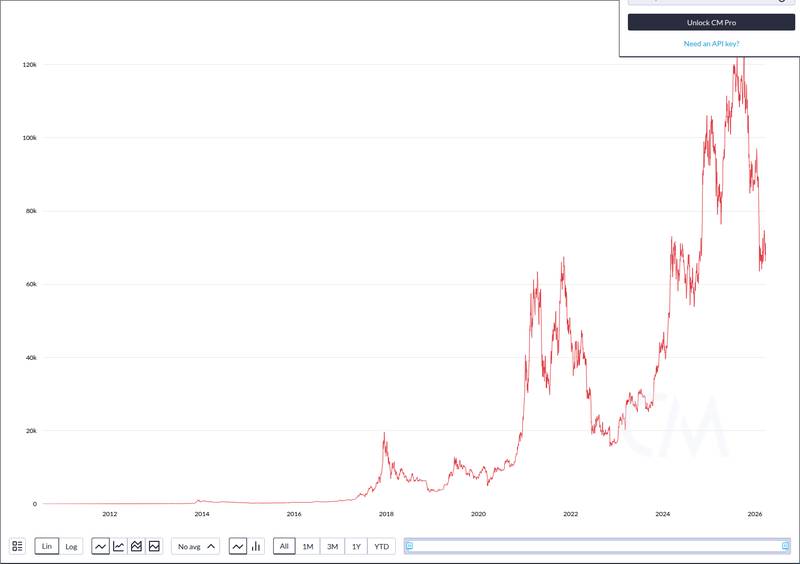
That stress is already visible in digital asset markets. Bitcoin traded at $66,346 at press time, down 0.77% over 24 hours, with a market cap of $1.33 trillion and daily trading volume of $21.38 billion.
The Crypto Fear & Greed Index dropped to 9 out of 100, its deepest “Extreme Fear” reading in months, while total crypto market capitalization contracted to $2.37 trillion with Bitcoin dominance elevated at 56.07%.
VIX at 31: What the Wall Street Fear Gauge Is Signaling for Digital Asset Traders
The VIX measures implied volatility on S&P 500 options, functioning as a real-time gauge of how much institutional investors are willing to pay for downside protection. A reading below 20 is considered calm; between 20 and 30 signals elevated anxiety; above 30 enters territory historically reserved for acute crises.
Decoding a VIX of 31: Elevated but Not Yet Extreme
At 31, the current reading sits roughly 55% above the long-term average of 20. For comparison, the VIX hit 82 during the March 2020 COVID crash and spiked above 35 during the 2022 rate-hike panic. The current level signals genuine institutional fear without full-blown capitulation.
Energy sector stocks including ExxonMobil and Chevron have gained more than 30% year-to-date, while technology giants like NVIDIA and Microsoft have declined sharply. This rotation underscores how capital is fleeing growth and speculative assets in favor of commodity exposure, a pattern that directly pressures the risk appetite fueling crypto and NFT allocations.
How Past VIX Spikes Have Correlated With Crypto and NFT Sell-Offs
Prior VIX spikes above 30, including the 2020 COVID crash, 2022 rate-hike panic, and 2023 regional banking crisis, all coincided with sharp crypto drawdowns and compressed NFT marketplace activity. When institutional fear rises, discretionary spending on digital collectibles contracts first as investors prioritize liquidity.
NFT trading volume on OpenSea and Blur has historically dropped 20% to 40% during sustained VIX readings above 30, as bid depth thins and speculative buyers pull back. The current episode, driven by a geopolitical supply shock rather than monetary policy, may prove even more persistent given the open-ended nature of the Hormuz crisis.
Hormuz Supply Fears and the Oil Price Shock Compressing Crypto Liquidity
The Strait of Hormuz carries approximately 20% of the world’s petroleum supply. Iran’s retaliatory blockade, which followed the US-Israel “Operation Midnight Hammer” strikes on Iranian targets on February 28, 2026, has transformed this chokepoint into the epicenter of global energy disruption.
Why the Strait of Hormuz Is a Global Risk Asset Trigger
Brent crude surged to the $111 to $113 per barrel range, representing a roughly 55% increase from pre-strike levels. The US Energy Information Administration responded by raising its 2026 Brent crude forecast from $58 per barrel to $79 per barrel, noting that shipments through the Strait had slowed dramatically.
The broader geopolitical fallout continues to weigh on risk assets. As economist Steve Hanke recently argued, the fiscal cost of escalating Middle East operations compounds existing sovereign debt pressures, creating a macro environment hostile to speculative allocations.
From Oil Shock to NFT Floor Pressure: The Capital Flow Chain
Oil price shocks absorb household and institutional capital through higher energy costs, reducing the discretionary flows that would otherwise reach crypto and NFT markets. When gasoline, heating, and logistics costs surge simultaneously, portfolio allocations to speculative digital assets shrink.
According to unconfirmed analyst projections cited in press reports, oil prices could reach $200 per barrel if the Strait remains closed long-term. Even without that extreme scenario, the current $111-plus pricing is already reshaping capital allocation across risk markets.
Bitcoin and Ethereum have historically shown negative short-term correlation with sharp oil price spikes of 5% or more during macro risk-off regimes. The current environment, with the Crypto Fear & Greed Index at 9, confirms this pattern is playing out in real time. Yet Bitcoin’s relatively stable $66,346 price despite a VIX of 31 hints at a maturing institutional base that may be treating the asset differently than in prior cycles.
NFT Markets in a Risk-Off Environment: What Collectors and Creators Should Watch
Risk-off episodes tend to compress blue-chip NFT floors, including collections like BAYC and CryptoPunks, less severely than mid- and low-cap projects. Holder conviction and rarity-based price floors provide a buffer that speculative collections lack. For the broader NFT market, the current macro backdrop signals a period of selective liquidation.
Marketplace bid depth on Blur and OpenSea serves as the earliest warning signal. A sharp drop in active bids precedes floor price declines, often by days. Traders watching for signs of capitulation should monitor total bid volume rather than headline floor prices, which lag the actual liquidity withdrawal. New regulatory pressures, such as Canada’s Strong and Free Act restricting crypto transactions, add further friction to cross-border NFT liquidity.
Creator royalty revenue is directly volume-dependent. During sustained VIX readings above 30, secondary market royalty payouts have historically declined 30% to 50% as trading activity contracts. For creators relying on ongoing secondary sales, this compression can be more damaging than a simple floor price decline.
The key metric to watch is the VIX’s trajectory back toward 20. Historically, a return below the long-term average has preceded recovery in both NFT marketplace volume and crypto risk appetite. Until then, the combination of a VIX above 30, Brent crude above $110, and a Crypto Fear & Greed reading of 9 points to a market environment where capital preservation takes priority over digital asset accumulation.
Disclaimer: This article is for informational purposes only and does not constitute financial or investment advice. Cryptocurrency and digital asset markets carry significant risk. Always do your own research before making decisions.