
Saudi Arabia’s East-West Pipeline has reportedly reached its full 7 million barrels per day capacity as the Strait of Hormuz closure enters a fifth consecutive week, forcing a historic rerouting of global crude oil flows through the Red Sea.
Petroline Reaches Full Capacity as Hormuz Remains Shut
The Petroline, Saudi Arabia’s approximately 1,200-kilometer pipeline running from Abqaiq to the Red Sea port of Yanbu, has hit its design capacity of roughly 7 million barrels per day. The pipeline now serves as the kingdom’s primary crude export route, bypassing the blocked strait entirely.
The Strait of Hormuz normally handles about 20% of global oil trade. A five-week closure represents an unprecedented modern disruption to that chokepoint, pushing Saudi Aramco to maximize the Petroline’s throughput to maintain export volumes through Yanbu.
Regional efforts to route crude around the blockade extend beyond Saudi Arabia. Pipeline infrastructure across the UAE and Iraq is also being evaluated as alternative export capacity, though the Petroline remains the largest single bypass route available.
The operational shift to Yanbu as the primary Saudi export terminal has reshaped tanker routing across the region, according to Al Arabiya reporting, with Red Sea-bound vessels now carrying the bulk of Saudi crude that previously transited the Persian Gulf.
Energy Supply Shock Puts Spotlight on Digital Commodity Markets
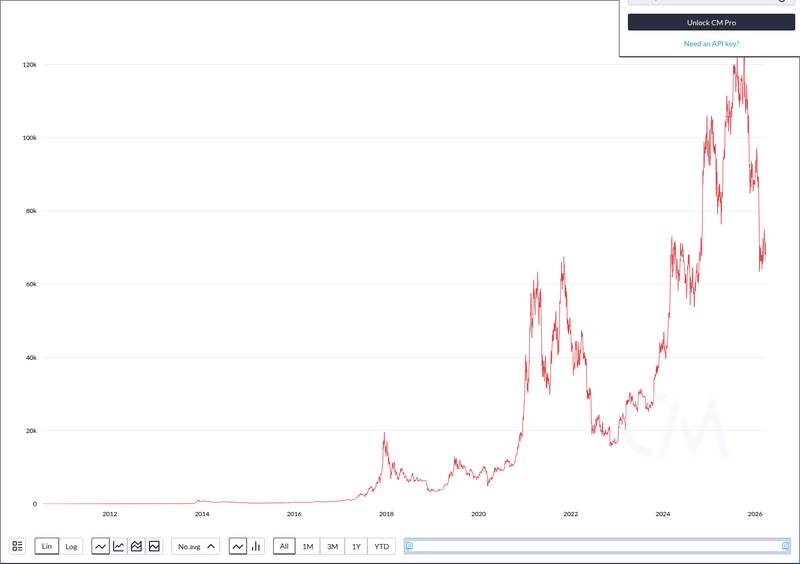
Sustained geopolitical disruptions to physical commodity infrastructure have historically drawn attention to alternative financial instruments, including digital assets. Bitcoin, which has tested critical support levels in recent sessions, remains closely watched during periods of elevated macro uncertainty.
The prolonged nature of the Hormuz closure, now five weeks rather than a brief escalation, distinguishes this event from shorter geopolitical flare-ups. Extended supply uncertainty tends to amplify institutional interest in hedging instruments beyond traditional commodity futures, a dynamic that has benefited Bitcoin ETF products during previous periods of macro stress.
Real-world asset tokenization platforms focused on commodities, including energy-sector instruments, have seen growing interest as the broader stablecoin and digital asset ecosystem matures. A sustained disruption to physical oil infrastructure underscores the appeal of programmable, on-chain commodity exposure that does not depend on a single maritime chokepoint.
Whether the Hormuz blockade accelerates concrete adoption of tokenized energy settlement systems remains an open question. What is clear is that the Petroline operating at full capacity is a physical reminder that single points of failure in global infrastructure, whether pipelines or payment rails, drive demand for redundant alternatives.
Disclaimer: This article is for informational purposes only and does not constitute financial or investment advice. Cryptocurrency and digital asset markets carry significant risk. Always do your own research before making decisions.