
Morgan Stanley is reportedly preparing to enter the spot Bitcoin ETF market with a fee structure set at 0.14%, directly undercutting BlackRock’s dominant iShares Bitcoin Trust (IBIT) and its 0.25% expense ratio. The move would position the Wall Street giant as a serious challenger in the rapidly maturing Bitcoin ETF landscape.
Morgan Stanley’s 0.14% Fee Targets BlackRock’s Bitcoin ETF Lead
Morgan Stanley’s planned Bitcoin ETF would charge investors a 0.14% expense ratio, nearly half the 0.25% fee that BlackRock’s IBIT currently charges. For investors holding a $100,000 position, that difference translates to roughly $110 per year in saved fees.
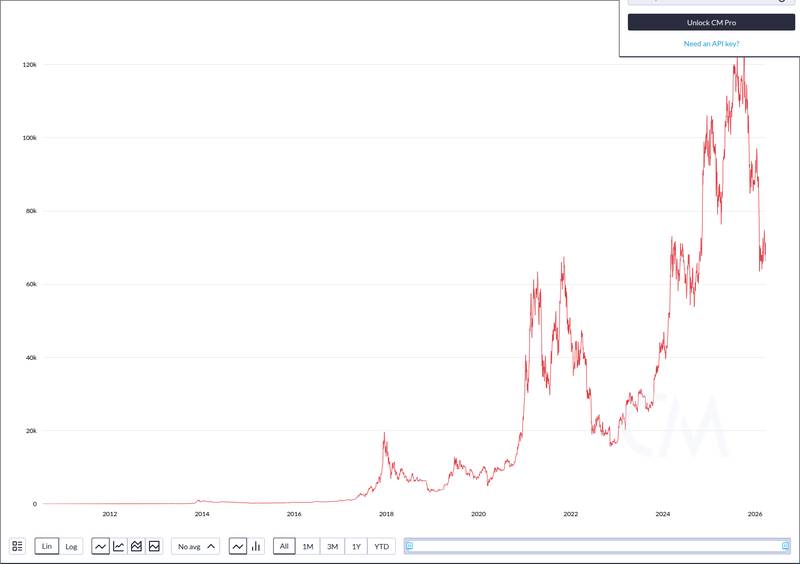
The fee gap matters more than it appears on the surface. On a volatile asset like Bitcoin, where annual returns can swing by double or triple digits, expense ratios compound quietly in the background. Over a five-year holding period, even a 0.11 percentage point difference in fees can erode thousands of dollars in returns on a six-figure allocation. Investors already watching Bitcoin test critical support levels know that cost efficiency becomes even more important during periods of price uncertainty.
Morgan Stanley’s broader wealth management infrastructure gives the ETF an immediate distribution advantage. The firm manages over $6 trillion in client assets across its advisor network and E*TRADE platform, providing built-in access to both institutional allocators and retail investors who already custody assets with the bank.
What the Fee War Means for Bitcoin ETF Investors
BlackRock’s IBIT has dominated the spot Bitcoin ETF category since the January 2024 approval wave, accumulating the largest assets under management among all competing products. Morgan Stanley’s entry with an aggressively low fee signals that the firm views price as the lever most likely to displace that first-mover advantage.
This pattern mirrors what happened in the traditional index fund space. Vanguard, Schwab, and Fidelity spent years compressing S&P 500 fund fees toward zero, ultimately benefiting long-term investors while reshuffling market share among providers. Morgan Stanley appears to be importing that same playbook into crypto asset management.
Fee alone may not be enough to unseat BlackRock. IBIT benefits from deep liquidity, tight bid-ask spreads, and institutional familiarity that newer entrants must build over time. Competing products from Fidelity (FBTC), Invesco, and others have already struggled to close the AUM gap despite offering promotional fee waivers at launch. The broader stablecoin market shifts further illustrate how capital flows in crypto products can concentrate around dominant players.
Where Morgan Stanley holds an edge is in its captive advisor channel. Financial advisors at wirehouses tend to recommend products already available on their platform. With Morgan Stanley’s ETF natively accessible through its advisory network, the firm can route billions in existing client allocations without requiring investors to open accounts elsewhere.
The primary beneficiaries of this fee competition are long-term holders. Institutional allocators who benchmark costs across products will weigh the fee differential alongside liquidity and tracking error. Retail investors on E*TRADE gain access to what Bitcoin Magazine described as one of the lowest-cost spot Bitcoin ETF options without switching platforms.
As traditional finance firms compete more aggressively for crypto ETF market share, the dynamics extend beyond just Bitcoin. Institutional interest in DeFi governance structures and broader digital asset products suggests that fee competition in ETFs is part of a wider trend of Wall Street positioning for crypto market dominance.
TLDR Keypoints: Morgan Stanley vs. BlackRock in Bitcoin ETFs
- Lowest-cost contender: Morgan Stanley’s reported 0.14% Bitcoin ETF fee undercuts BlackRock IBIT’s 0.25%, making it one of the cheapest spot Bitcoin ETF options available to investors.
- Direct competitive challenge: The aggressive pricing signals Morgan Stanley’s intent to capture institutional and retail Bitcoin ETF flows that BlackRock has dominated since January 2024.
- Compounding fee savings: Even a 0.11 percentage point fee difference compounds meaningfully over multi-year holding periods on a volatile asset like Bitcoin, benefiting patient allocators most.
Disclaimer: This article is for informational purposes only and does not constitute financial or investment advice. Cryptocurrency and digital asset markets carry significant risk. Always do your own research before making decisions.