
Key Points:
- Tokenized gold may outperform ETFs in 2026 when utility and liquidity dominate.
- Performance hinges on regulation, custody, and venue risks shaping path-dependent outcomes.
- Rising adoption: $4.4B cap, 1,550% volumes; ETFs retain regulated resilience.
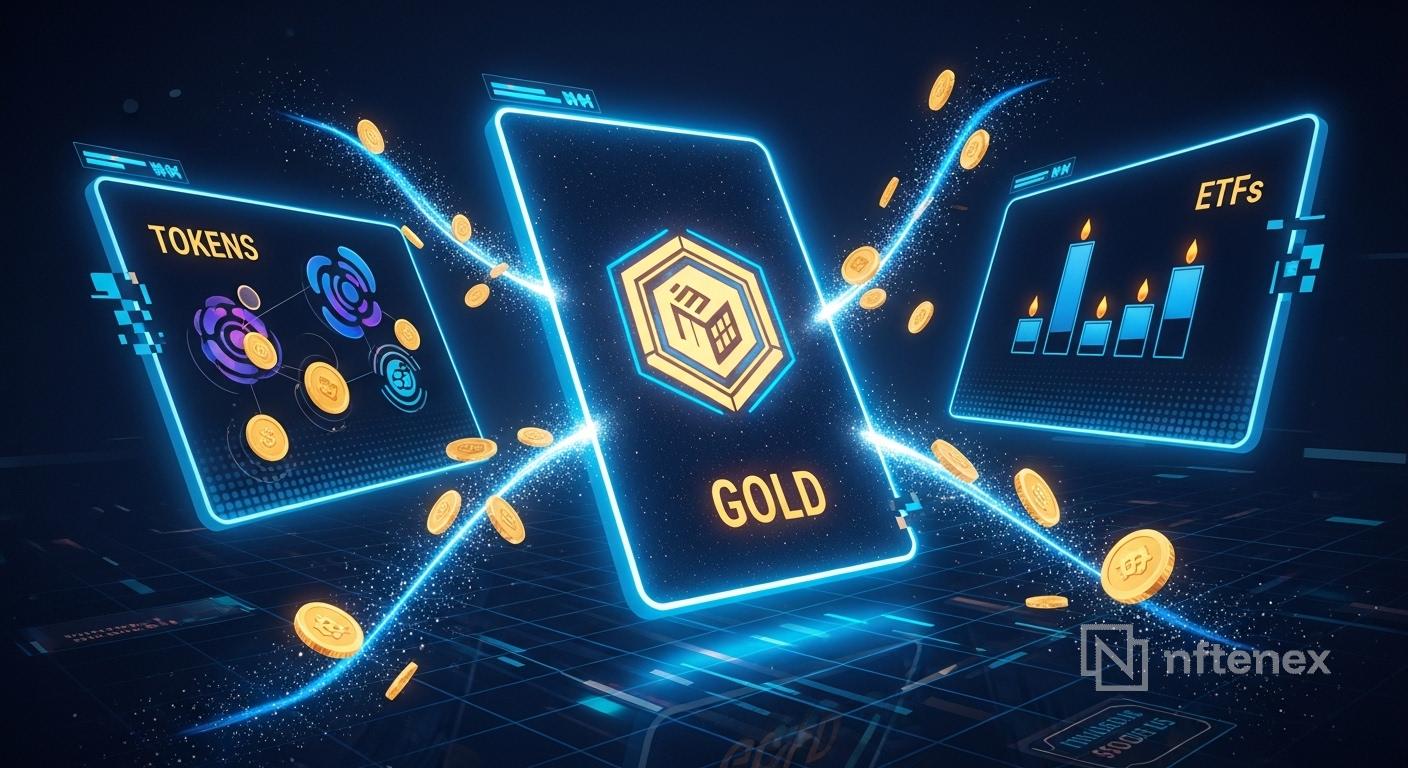
Tokenized gold could outpace gold ETFs in 2026 on a total-return basis when on-chain utility and round-the-clock liquidity matter more than traditional market access. Outcomes remain path-dependent and sensitive to regulation, custody, and venue risk.
According to CoinGape, tokenized gold’s market capitalization reached about $4.4 billion in 2025 while trading volumes surged roughly 1,550%, indicating rising investor adoption alongside legacy vehicles like SPDR Gold Shares (GLD) and products such as Paxos Gold (PAXG) (https://coingape.com/gold-etf-vs-tokenized-gold-who-could-outperform-in-2026/). This momentum could translate to relative outperformance if more investors value 24/7 execution, faster settlement, and optional DeFi-driven utility.
Conversely, gold ETFs may retain an edge where regulated custody frameworks, established market-maker ecosystems, and operational resilience are prioritized. Under stress or policy uncertainty, the scale and track record of ETFs can remain decisive for some institutions.
Macro context 2026 shaping demand for gold exposure
In 2026, the gold ETF vs tokenized gold debate sits within a broader cross-asset recalibration and digitization push. Investor preferences may shift as liquidity needs, regulatory clarity, and market hours interact with portfolio construction goals.
As reported by NFT Plazas, Bitcoin reclaiming the $70,000 level has revived discussion about capital rotation across traditional safe havens and digital assets (https://nftplazas.com/btc-reclaims-70k-capital-rotation-gold/). If digital risk appetite expands, tokenized exposures that interoperate with crypto rails could see incremental flows.
At the time of this writing, BlackRock, Inc. (BLK) recently traded near $1,063 at the close, with after-hours quotes around $1,058, based on data from Yahoo Finance (https://finance.yahoo.com/). This context underscores the evolving but competitive ETF landscape even as tokenization themes gain attention.
Liquidity, trading hours, and settlement differences
OMFIF notes that bringing gold on-chain enables 24/7 access and near real-time settlement, attributes that can reduce timing risk across regions and long weekends relative to exchange hours (https://www.omfif.org/2025/02/gold-finds-a-new-sparkle-in-tokenisation/). For global allocators balancing intraday cash needs, this operational flexibility can influence venue selection.
ETFs typically trade during local market hours with settlement occurring on traditional rails, and spreads shaped by authorized participants and market makers. GLD exemplifies a well-established structure with deep secondary-market liquidity and familiar brokerage workflows.
Redemption and custody also diverge. Some tokens, including PAXG, are designed to reference specific vaulted bars and may allow redemption subject to issuer terms, while ETFs provide price exposure without assigning a particular bar to investors. After this operational contrast, advocates emphasize title specificity: “When you buy an ETF, you are betting on the gold price going up, but you do not own any specific gold bar,” said representatives of Gold DAO, in comments reported by Cointelegraph (https://cointelegraph.com/news/tokenized-gold-beats-paper-alternatives-gold-dao/).
Risk gating remains critical. On-chain assets introduce smart contract and platform dependencies, while ETFs rely on regulated custodians and transfer agents. As regulatory clarity advances in jurisdictions applying frameworks such as the EU’s MiCA and oversight in Singapore under MAS, the relative risk and cost calculus could shift, shaping which structure leads under 2026 conditions.
| Disclaimer: The content on nftenex.com is provided for informational purposes only and should not be considered financial or investment advice. Cryptocurrency investments carry inherent risks. Please consult a qualified financial advisor before making any investment decisions. |