
Key Points:
- Middle East-driven oil surge revives inflation fears, jeopardizing near-term Fed cuts.
- Higher energy costs risk sticky headline inflation, complicating policy easing timelines.
- Brent crude jump lifts inflation expectations, tightening financial conditions and trade-offs.
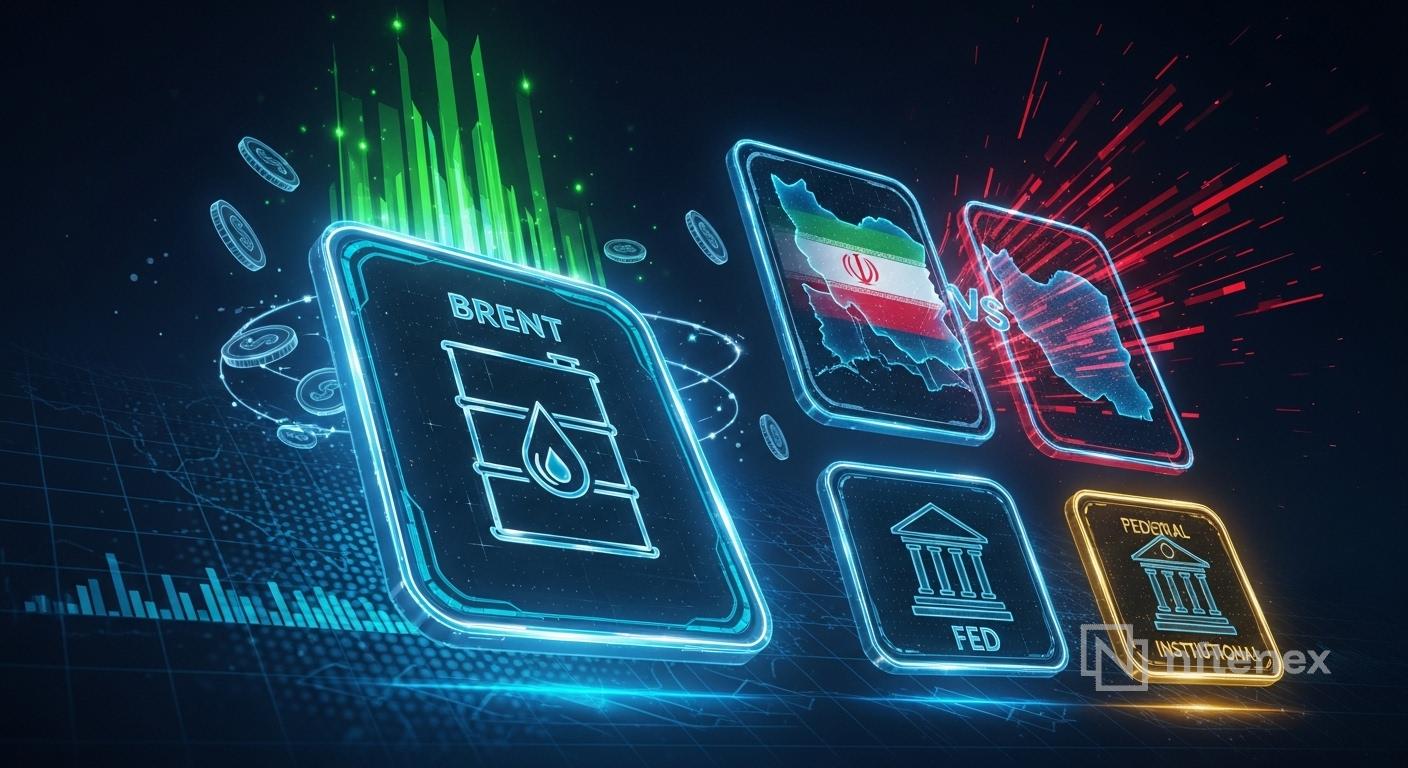
An oil-price shock tied to the US-Iran war has revived inflation concerns and complicated the Federal Reserve’s path to policy easing. The risk is that higher energy costs keep headline inflation sticky just as markets had anticipated rate cuts.
According to TheStreet, rising oil prices from the Middle East conflict threaten to lift inflation, prompting both markets and the Fed to reassess previously expected interest-rate cuts (https://www.thestreet.com/fed/oil-shock-threatens-fed-rate-cut-bets). Brent crude’s surge can tighten financial conditions indirectly by pressuring inflation expectations, sharpening the trade-off between price stability and growth.
How oil shocks feed inflation and delay policy easing
Oil shocks typically transmit to inflation through energy components in CPI and PCE, with secondary effects on transportation, shipping, and input costs. If these pressures persist, they can seep into core measures and wage negotiations, increasing the risk that inflation expectations drift higher.
Treasury commentary has underscored that credibility and expectations are central to the timing of any cut. In that context, Janet Yellen, U.S. Treasury Secretary, said the conflict-related uncertainty could make the Fed more cautious: “even more reluctant to cut interest rates” because a shift in expectations “could lead to fears of permanently higher inflation” (https://omniekonomi.se/yellen-iran-gor-fed-annu-mer-ovillig-att-sanka-rantorna/a/k0ExVj).
Comparative signals from abroad point the same way. Bloomberg reported that Turkey’s central bank is poised to pause rate cuts in March as a spike in energy costs amid the Iran conflict raises inflation risks (https://www.bloomberg.com/news/articles/2026-03-03/jpmorgan-and-traders-see-turkey-pausing-rate-cuts-on-iran-risks).
Markets today: USD, S&P 500, energy stocks, and breakevens
The US dollar strengthened as investors re-priced rate-cut odds. As reported by Investing.com, the dollar gained about 0.8% at the start of the week, a restrained but notable reaction to rising oil risk and the policy path (https://m.investing.com/analysis/us-dollar-finds-support-as-oil-risk-clouds-the-fed-rate-cut-path-200675888?ampMode=1).
Energy equities have reflected the move in crude. At the time of this writing, based on data from Blue Ocean ATS, Exxon Mobil traded around $155.63, up 0.91% in overnight activity; figures are contextual and may reflect delayed pricing.
For equities and rates, the focus remains on inflation expectations. Wider breakeven inflation would typically pressure duration-sensitive growth stocks in the S&P 500 while supporting energy shares, though outcomes depend on the persistence of the oil shock and subsequent inflation readings.
| Disclaimer: The content on nftenex.com is provided for informational purposes only and should not be considered financial or investment advice. Cryptocurrency investments carry inherent risks. Please consult a qualified financial advisor before making any investment decisions. |