

The total cryptocurrency market capitalization has fallen below the $1 trillion threshold, dragging altcoins into a broad selloff that is now rippling through digital asset markets including NFTs.
The decline was flagged by Bitcoin.com’s Telegram channel, which reported that altcoins tumbled as the total market cap breached the psychologically significant $1 trillion level. The move marks a sharp contraction across crypto markets, with altcoins bearing the brunt of selling pressure.
How Deep Is the Drop Across Crypto Markets
The sub-$1 trillion reading places the total crypto market cap at levels not seen since the depths of the 2022 bear cycle. Traders can track the current total market capitalization and individual asset performance through live data on CoinGecko’s global charts.
Bitcoin has historically held up better than altcoins during broad market drawdowns, and this selloff appears to follow that pattern. The latest Bitcoin market data on CoinMarketCap shows the leading cryptocurrency’s dominance rising as smaller tokens lose ground faster.
The selloff echoes the kind of macro-driven pressure that previously sent total crypto market value below this level during late 2022. Whether rate signals, regulatory developments, or large-scale liquidations triggered this latest breach remains unclear from available reporting.
Similar broad market stress recently hit XRP and other major tokens. The pattern of liquidation surges and macro risks shaking crypto markets has become a recurring theme in 2026.
NFT Floor Prices and Digital Asset Liquidity Feel the Pressure
When altcoin prices contract sharply, NFT markets tend to follow. Most blue-chip NFT collections are priced in ETH, meaning a drop in Ethereum’s dollar value creates a double squeeze: floor prices may hold in ETH terms while collapsing in USD value.
This dynamic reduces the effective purchasing power of NFT holders and thins liquidity across marketplaces. Bid walls on platforms like Blur, OpenSea, and Magic Eden typically pull back during periods of broad crypto selling, as traders prioritize capital preservation over speculative digital asset bids.
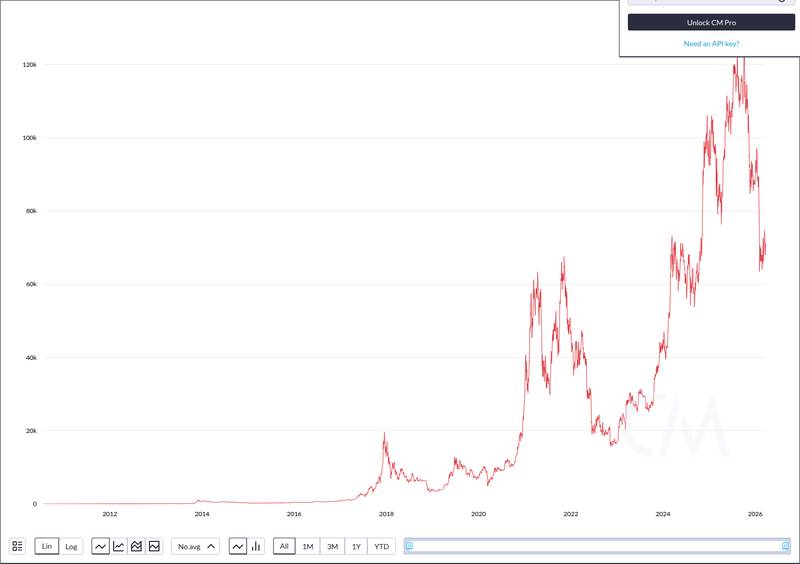
The correlation between altcoin market health and NFT trading volume has been well documented. According to recent altcoin market statistics, the broader altcoin sector’s performance directly influences capital flows into NFT ecosystems.
For collectors and creators, the contraction means reduced royalty revenue and fewer active buyers. Previous market drawdowns, such as Bitcoin’s drop below $67K amid geopolitical tensions, triggered similar pullbacks in NFT marketplace activity.
What a Compressed Market Means for Digital Ownership
Sub-$1 trillion conditions pressure the entire digital asset stack, from Layer 1 tokens down to individual NFT collections. Creator-economy participants, particularly artists and small studios planning upcoming drops, face a tougher environment for minting and primary sales.
Cross-chain NFT activity on networks like Base, Solana, and Bitcoin Ordinals may absorb some displaced volume as traders seek lower-fee alternatives during compressed conditions. The market stress also follows a period where institutional moves, including Ark Invest’s $41M Meta and $26M Nvidia sales, signaled broader risk-off sentiment across tech and digital asset allocations.
The breach of $1 trillion in total market cap is a structural signal, not just a number. It resets expectations for how quickly capital can re-enter altcoin and NFT markets, and creators planning near-term launches will need to account for thinner liquidity and lower bid depth across every major marketplace.
Disclaimer: This article is for informational purposes only and does not constitute financial or investment advice. Cryptocurrency and digital asset markets carry significant risk. Always do your own research before making decisions.