
Spot Bitcoin ETFs Post $1 Billion in Weekly Outflows: What It Means
- Stacey George
- May 16, 2026
- Market
- 0 Comments
U.S. spot Bitcoin ETFs recorded $1.33 billion in net outflows during the week ended January 23, 2026, reversing a strong inflow streak and raising questions about near-term institutional appetite for crypto exposure.
The outflows marked a sharp reversal from the prior week, which had seen $1.42 billion in net inflows. The swing of nearly $2.75 billion in a single week signals a rapid shift in investor positioning.
TLDR KEY POINTS
- Spot Bitcoin ETFs posted $1.33 billion in weekly net outflows, with Wednesday alone seeing $709 million in redemptions.
- The prior week had attracted $1.42 billion in inflows, making this a near-$2.75 billion sentiment swing.
- Bitcoin traded near $77,891 with the Fear & Greed Index at 31, reflecting broad market caution.
Why Spot Bitcoin ETFs Saw Over $1 Billion in Weekly Outflows
The four-day trading week, shortened by the Martin Luther King Jr. Day holiday, saw outflows accelerate mid-week. Tuesday opened with $483 million in net redemptions, followed by $709 million on Wednesday, the heaviest single session of the week.
Thursday brought a brief reprieve with just $32 million in outflows, but Friday added another $104 million, bringing the weekly total to $1.33 billion. The pattern suggests concentrated institutional selling rather than gradual retail withdrawal.
Despite the sharp weekly drawdown, cumulative net inflows into U.S. spot Bitcoin ETFs since their January 2024 launch still stood at $56.5 billion, with total net assets near $115.9 billion. The outflows represent roughly 1% of total assets, a notable but not destabilizing move.
The broader digital asset investment landscape mirrored the trend. CoinShares reported $1.73 billion in weekly outflows across all digital asset products, with Bitcoin alone accounting for $1.09 billion of that figure. The alignment between ETF-specific and broader fund data points to a macro-driven risk rotation rather than a Bitcoin-specific catalyst.
What the ETF Outflows Could Signal for Bitcoin and Crypto Markets
ETF flow data has become one of the most closely watched proxies for institutional demand since spot products launched in early 2024. Sustained outflows, even over a single week, can weigh on market confidence by signaling that large allocators are reducing exposure.
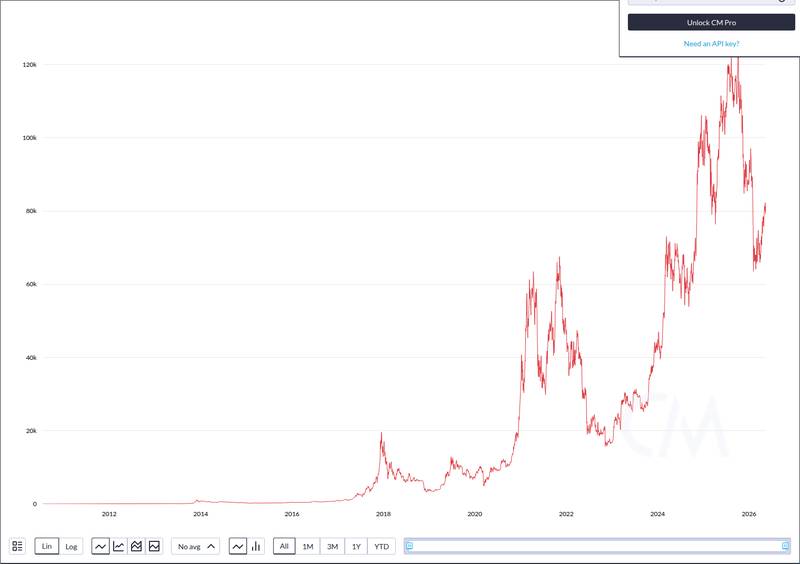
Bitcoin traded at $77,891 at press time, down 3.5% over the prior 24 hours, with a market cap of $1.56 trillion. The Fear & Greed Index sat at 31, firmly in “Fear” territory.
The sentiment reading aligns with the outflow data. When institutional products see large redemptions while broader sentiment indicators flash caution, it often reflects portfolio-level de-risking rather than a fundamental reassessment of Bitcoin’s long-term thesis.
It is worth noting that other corners of the crypto market were also under pressure. Separate reporting has highlighted how Tether faced legal scrutiny over $344 million in frozen USDT, adding to the cautious tone across digital assets during the same period.
What Investors Should Watch Next
The most immediate signal will be whether outflows continue into the following week or whether buyers step back in. The prior week’s $1.42 billion in inflows showed that appetite can shift quickly in either direction.
Bitcoin’s price response around the $77,000-$78,000 range will be closely monitored. A sustained hold above this level despite ETF selling pressure would suggest underlying spot demand is absorbing the institutional exits. A break lower could accelerate further redemptions.
Macro conditions remain a key variable. The outflows coincided with fading risk appetite across traditional markets, and any shift in Federal Reserve policy expectations or equity volatility could redirect flows back into crypto products. Institutions that disclosed significant Bitcoin ETF positions, such as Mubadala Investment Company’s $566 million stake, represent the kind of large holders whose positioning decisions drive weekly flow figures.
On-chain activity offers another lens. Miners like Bitdeer, which recently reported mining and selling 198 BTC in a single week, contribute to sell-side pressure that compounds ETF outflows. Watching miner reserves and exchange inflows alongside ETF data provides a more complete picture of supply-side dynamics.
The next CoinShares weekly report and daily ETF flow disclosures will be the first concrete data points to confirm whether the January 23 week was an isolated correction or the start of a broader institutional pullback.
Disclaimer: This article is for informational purposes only and does not constitute financial or investment advice. Cryptocurrency and digital asset markets carry significant risk. Always do your own research before making decisions.