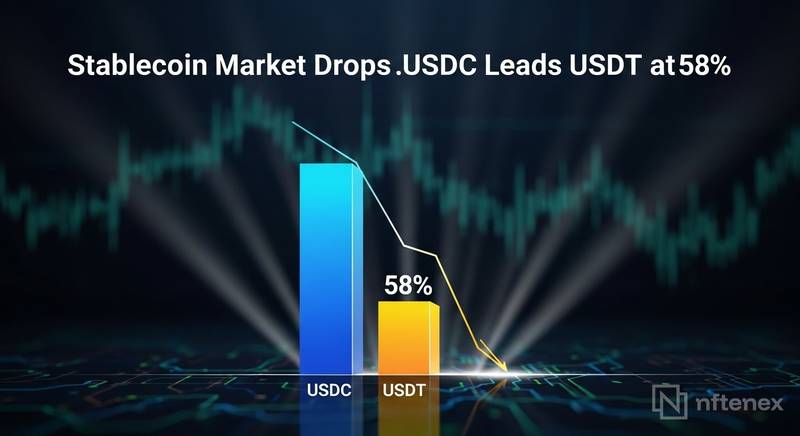
Stablecoin Market Drops $1.04B: USDC Leads, USDT at 58%
- Stacey George
- March 28, 2026
- Market
- 0 Comments
The total stablecoin market contracted by $1.04 billion this week, with USDC absorbing the heaviest redemptions while USDT held firm at 58% market dominance. The liquidity shift narrows the pool of on-chain capital available across digital asset markets, including NFT platforms that depend on stablecoin settlement.
USDC Leads Weekly Outflows as Stablecoin Market Contracts $1.04B
Stablecoin market capitalization fell by $1.04 billion over the past seven days. USDC accounted for the largest share of net outflows, widening the supply gap between Circle’s token and Tether’s USDT.
The drawdown represents a meaningful weekly contraction. For NFT collectors and marketplace operators, stablecoin supply directly affects bidding liquidity and floor-price support on platforms that settle in USDC or USDT.
Breaking Down the USDC Outflow
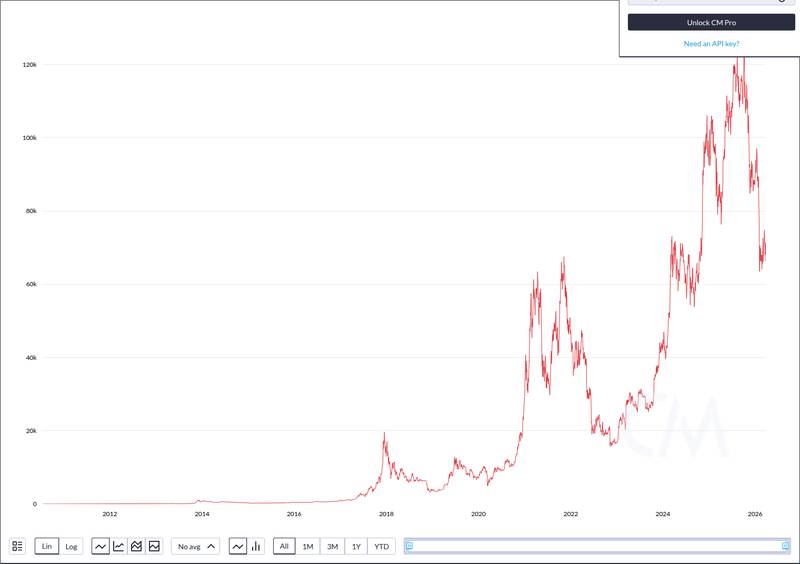
USDC’s decline outpaced other stablecoins during the tracked period. Ethereum-based USDC historically represents the largest share of Circle’s circulating supply, and Ethereum remains the primary settlement layer for major NFT marketplaces where Bitcoin and broader crypto price action influence collector behavior.
USDT, by contrast, held its supply relatively flat. The divergence suggests redemption pressure is concentrated among USDC holders rather than reflecting a broad flight from stablecoin exposure altogether.
USDT Holds 58% Dominance as Traders Consolidate Around Tether
Despite the broader contraction, USDT maintained 58% stablecoin dominance. Tether’s market share has been climbing as USDC supply contracts, concentrating on-chain dollar liquidity around a single issuer.
The competitive dynamics between the two stablecoins have drawn fresh scrutiny. A Motley Fool analysis published this week examined the rivalry, noting the regulatory transparency and reserve-backing trade-offs that shape institutional and retail preferences for each token.
NFT Market Implications
USDT’s rising dominance matters for the NFT ecosystem because marketplace liquidity depends on which stablecoins traders hold. Ethereum-native platforms have historically leaned on USDC for settlement, while cross-chain marketplaces on BNB Chain and Tron see heavier USDT usage.
A shrinking USDC supply means fewer stablecoins sitting in wallets ready to bid on digital collectibles. The concentration of liquidity in USDT also raises questions about DeFi governance and issuer risk, since a single stablecoin now underpins the majority of on-chain dollar activity.
When stablecoin liquidity tightens, secondary-market volume tends to compress, reducing royalty payouts for creators and narrowing spreads for collectors.
What Stablecoin Liquidity Trends Signal for Digital Asset Markets Ahead
The $1.04 billion weekly outflow, while modest relative to the total stablecoin market cap, signals that some holders are converting on-chain dollars back to fiat. Whether this drawdown reverses or deepens will depend on redemption activity at Circle and broader demand for on-chain dollar exposure.
For NFT market participants, tighter stablecoin supply compresses available purchasing power on-chain. Collectors holding USDC may face higher swap costs if they need to convert to USDT for cross-chain purchases. As regulatory developments continue shaping crypto markets, marketplace operators should monitor stablecoin settlement-layer liquidity as a leading indicator of volume shifts.
Creator-economy participants stand to feel the squeeze most directly. Lower secondary-market volumes translate to smaller royalty flows, and collectors with reduced stablecoin balances tend to bid more conservatively on new drops.
Disclaimer: This article is for informational purposes only and does not constitute financial or investment advice. Cryptocurrency and digital asset markets carry significant risk. Always do your own research before making decisions.